


Austria – HUMUS+
Project coordination, Living Labs, platform development support Humus+ is a non-profit association based in Austria, dedicated to regenerative design, social innovation, and sustainability education. As a key actor in the field of eco-social transformation, Humus+ integrates circular economy principles, permaculture, and community-led initiatives to foster systemic change in urban and rural environments.
Humus+ operates at the intersection of education, environmental regeneration, and community empowerment, developing innovative learning methodologies and participatory approaches to promote sustainability.
Its core areas of activity include:
- Regenerative Design and Circular Economy:
- Implementation of nature-based solutions for sustainable urban and rural development.
- Development of regenerative business models, supporting eco-entrepreneurs and local communities in transitioning to circular and sustainable economies.
- Application of permaculture principles in food production, architecture, and community-led projects.
- Education and Training on Sustainability:
- Design and facilitation of learning programs on circular economy, regenerative leadership, and ecological literacy.
- Development of hands-on workshops, field training, and online courses for diverse audiences, including entrepreneurs, educators, and policymakers.
- Collaboration with schools, universities, and training centers to integrate sustainability and regenerative thinking into curricula.
- Social Innovation and Community Engagement:
- Implementation of participatory processes to empower citizens in co-creating solutions for environmental and social challenges.
- Organization of co-creation labs, sustainability forums, and transdisciplinary knowledge exchanges.
- Strengthening of local and international networks, bridging grassroots initiatives with institutional frameworks to drive impactful change.
- Research and Policy Advocacy:
- Contribution to policy development on regenerative economy, green entrepreneurship, and climate adaptation strategies.
- Participation in European research projects, integrating academic knowledge with real-world applications.
- Development of toolkits and educational resources for decision-makers and change agents in sustainability.
Spain – Alumbra Facilitación
Alumbra Facilitación is a cooperative based in Spain that works at the intersection of education, social innovation and regenerative culture. Its mission is to support individuals, organisations and communities in navigating complexity, transforming conflict and fostering more conscious and sustainable ways of relating and collaborating.
The cooperative is grounded in approaches such as Process-Oriented Psychology, Nonviolent Communication and participatory facilitation methodologies. Through these frameworks, Alumbra creates learning spaces that integrate emotional awareness, collective intelligence and practical tools for real-life application. A key area of its work is social permaculture, understood as the design of human systems that are aligned with life-supporting principles such as cooperation, diversity and resilience.
Alumbra develops and delivers training programmes, workshops and facilitation processes focused on conflict transformation, relational skills and organisational development. These include both in-person and online formats, often combining experiential learning with reflective practice. The cooperative also contributes to European projects, where it brings expertise in facilitation, learning design, documentation and qualitative evaluation.
Rather than focusing solely on technical knowledge, Alumbra emphasises the importance of inner development and relational capacities as essential components of sustainable change. Its work supports participants in developing not only skills, but also awareness, responsibility and the ability to engage constructively with differences.
Through its activities, Alumbra aims to contribute to more resilient communities and organisations, where collaboration, learning and care are at the centre of social and ecological transformation.
Hungary – HUMUS+ Hungary
OS Pelso Group is one of the leading players in the regenerative agriculture sector in Hungary, focusing on sustainable soil management, carbon sequestration, and circular bioeconomy solutions. The company group operates across multiple sites in Hungary and combines practical agricultural experience with innovative environmental technologies.
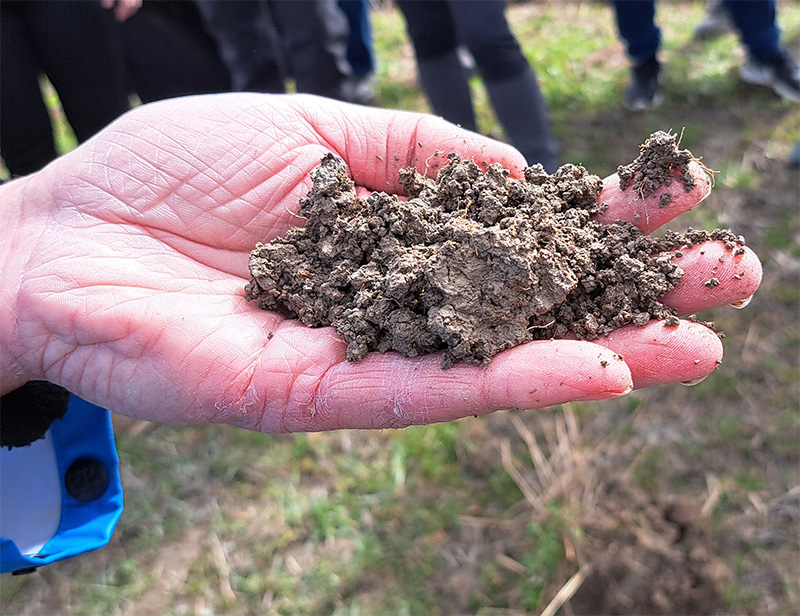
The main activities of the OS Pelso Group include the production of high-quality compost from green waste and organic materials, as well as the production of biochar (plant-based carbon) through advanced pyrolysis technologies. These products contribute to improving soil fertility, increasing water retention capacity, enhancing biodiversity, and supporting long-term carbon storage in soils.
In addition to its production activities, the company group is actively involved in the implementation and management of humus-increasing and regenerative agriculture projects in Hungary, including the introduction and coordination of initiatives such as the Humus+ system. Through these programs, OS Pelso supports farmers in adopting climate-resilient agricultural practices and improving soil health while creating measurable environmental benefits.
The company also places strong emphasis on education, innovation, and international cooperation. As a participant in the AgriFuture project, OS Pelso contributes its expertise particularly in the field of water management and regenerative agricultural practices. The organization cooperates with farmers, universities, and professional partners to support knowledge transfer and the development of sustainable agricultural solutions for future generations.
Norway – Mære Landbruksskole
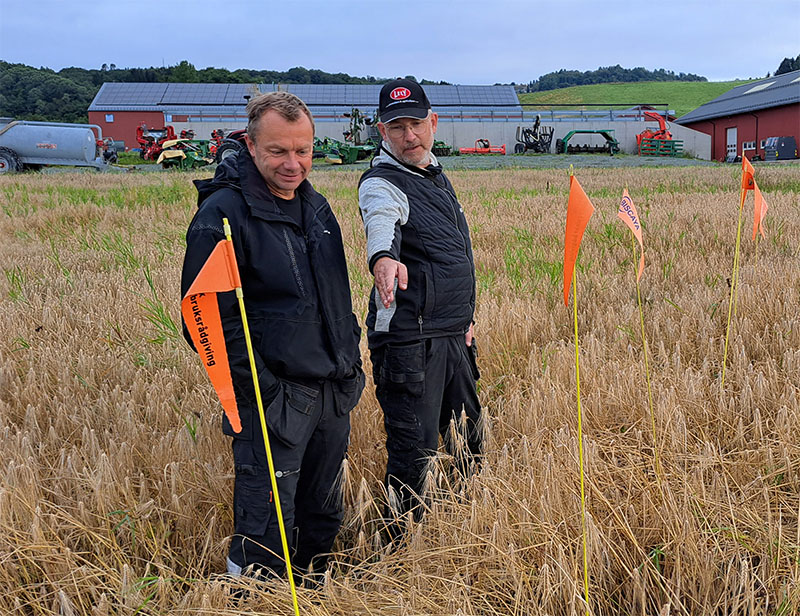
Green Competence Centre Mære–Skjetlein (GKMS) is a regional center for education, innovation, and cooperation in agriculture and the green sector, based in Trøndelag, Norway. GKMS is a department of the agricultural schools owned by Trøndelag County Council, and works at the intersection of vocational education, research, advisory services, and industry.
The center collaborates closely with farmers, entrepreneurs, students, researchers, and public authorities to strengthen competence and support sustainable development across the food system. GKMS combines practice‑based learning with research‑based knowledge to promote innovation in agriculture, food production, and related green industries.
A key element of GKMS is the Zero-Emission Farm, a climate and energy project at Mære Agricultural School. The farm provides a real‑life learning and demonstration environment where low‑emission solutions, sustainable resource use, and future‑oriented production systems are developed, tested, and shared with learners and professionals.
GKMS develops and delivers courses, training programs, and lifelong learning opportunities, with a strong focus on vocational education and skills development. The center also participates actively in national and international cooperation projects, including Erasmus+, addressing themes such as sustainable food systems, preparedness, circular economy, and climate adaptation.
By connecting education, innovation, and practical farming, GKMS contributes to knowledge exchange, capacity building, and a more resilient and sustainable European food system.
Türkiye – EYDB
The Ministry of Agriculture and Forestry is dedicated to formulating and implementing policies that promote efficient, sustainable agricultural production, safeguard natural ecosystems, ensure food security, and bolster rural development.
A cornerstone of the Ministry, the Department of Training and Publication (EYDB), is responsible for developing and disseminating multi-media educational materials—including visual, audio, and written content—aligned with the Ministry’s mission. Its mandate encompasses the collection, evaluation, and publication of educational resources, the production of films and photography, and the comprehensive management of archives and library services.
Operating from a 25,729 m² campus, the department employs 700 professionals across diverse fields, including agricultural engineers, veterinarians, librarians, filmmakers, and sociologists.
The department’s extensive activities include:
- Training & Innovation: Developing programs to disseminate agricultural advancements and modern techniques.
- Social Impact: Targeted initiatives for women, youth, and disadvantaged groups to foster inclusive rural growth.
- Consultancy: Providing technical guidance for agricultural enterprises.
- Vocational Growth: Specialized training in handicrafts and mechanization to generate diversified rural income.
- Digital Learning: Leveraging distance learning platforms to expand educational reach.
Originally established in 2010 as the Agricultural Broadcasting Activities unit, the department also operates a specialized thematic television channel broadcasting via satellite. Furthermore, it manages an in-house printing facility for its bimonthly Agricultural Forestry Magazine and monthly Bulletin, while hosting the specialized Digital Agriculture Library.