


Eight Learning Areas, One Shared Goal: Skills for More Resilient Farms
Soil, water, climate, livestock, technology and farm economics do not operate separately. AgriFuture’s training programme starts from a simple idea: the challenges facing agriculture are interconnected — and the skills needed to address them should be too.
A decision made in one part of a farm can have consequences across the whole system. Improving soil health can increase water retention. Better grazing management can influence soil fertility and nutrient cycles. Agroforestry can help reduce erosion while supporting biodiversity and carbon storage. Digital technologies can help farmers monitor these processes and make better-informed decisions.
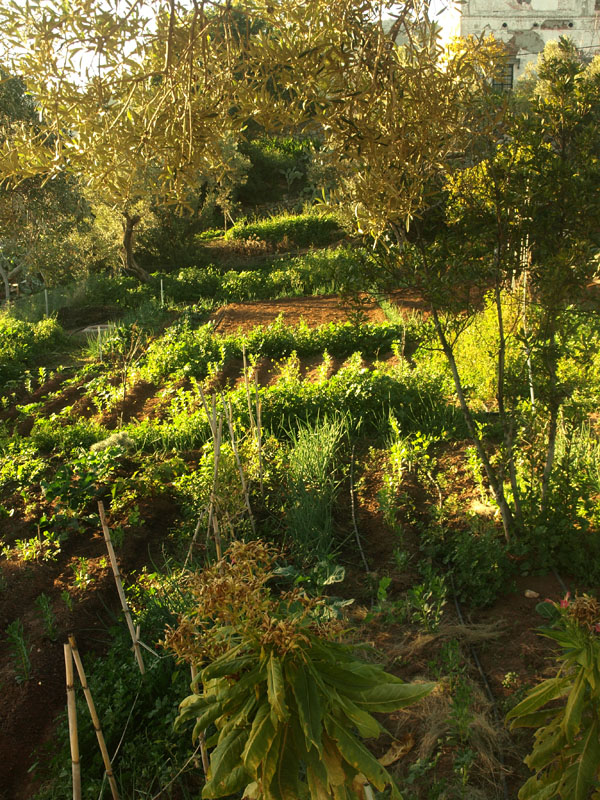
This interconnected reality is at the heart of the AgriFuture learning approach.
Based on the needs identified through the Skills Gap Analysis and the joint work of the project partnership, eight interconnected learning areas have been selected to guide the development of the training programme.
Eight areas, one agricultural system
Humus Build-up focuses on soil as a living system and on practices that can strengthen soil fertility, water retention and long-term resilience.
Water and Erosion Management explores how farms can retain water in soils and landscapes while reducing runoff and erosion.
Agroforestry looks at how trees and shrubs can be integrated into agricultural systems to support biodiversity, soil fertility, water infiltration and climate resilience while also creating new production opportunities.
Sustainable Grazing connects livestock management with grassland ecology, soil fertility, biodiversity, animal welfare and nutrient cycling.
Zero-Emission Farming examines practical ways to reduce agricultural emissions, improve efficiency and explore opportunities for carbon storage.
Green Nutrient Management considers nutrients as part of a biological cycle linking crop production, soil fertility, water quality and climate protection.
Sustainable Technology and Digital Farming explores tools such as sensors, satellite data, drones, digital monitoring and AI-supported decision-making — always with a focus on technologies that respond to real farming needs.
Finally, Green Agro-Entrepreneurship connects environmental sustainability with the economic viability of farms, including business planning, diversification, financing, risk management and communication.
Learning to see the connections
The aim of AgriFuture is therefore not simply to teach eight separate subjects.
Learners will be encouraged to understand how decisions in one area influence others and to consider the farm as a whole when identifying problems and proposing solutions.
This also means moving beyond theoretical knowledge. Each learning area will connect understanding with practical application, helping learners translate what they have learned into concrete farm-related decisions and outputs.
A water-management strategy, for example, cannot be separated from soil structure. A grazing plan also involves vegetation recovery, nutrient cycles and water availability. A new technology only makes sense if it responds to a real need and is economically viable for the farm.
These are the kinds of relationships that future agricultural professionals will increasingly need to understand.
From individual practices to more resilient farms
Agriculture is facing environmental, technological and economic changes at the same time. Responding effectively will require professionals who can analyse situations, connect different types of knowledge and adapt solutions to local conditions.
That is the broader goal behind AgriFuture’s eight learning areas: not simply to provide more information, but to strengthen the capacity of farmers and agricultural professionals to make informed decisions within complex farming systems.
Eight learning areas, but one shared objective: helping farms become more resilient, regenerative and economically viable.