


What Farmers Need: Key Findings from the AgriFuture Skills Gap Analysis
More than 60 interviews across four European countries reveal what farmers and agricultural professionals need from the training of the future.
Before designing the AgriFuture training programme, the partnership started by listening to those experiencing agricultural change first-hand.
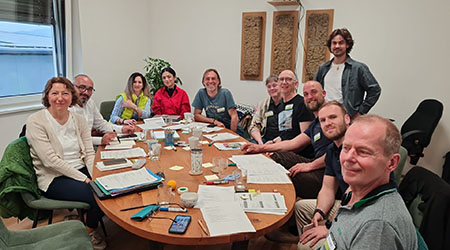
More than 60 interviews were conducted with farmers, young farmers and farm successors, agricultural entrepreneurs, trainers, advisors and technical experts from Austria, Hungary, Norway and Türkiye. Participants represented different production systems, farm sizes, climatic conditions and levels of experience with sustainable, regenerative and digital agriculture.
Despite this diversity, the Skills Gap Analysis revealed a remarkably consistent picture: farmers want to make their farms more sustainable and resilient, but they need training that helps them translate knowledge into practical decisions.
Soil knowledge as a foundation
One of the clearest findings was the importance of soil biology and soil health.
Participants identified knowledge gaps around nutrient cycling, water retention, plant–soil interactions and ecosystem functioning. More importantly, they want to understand how this knowledge can be translated into everyday farm management.
This suggests that regenerative agriculture training should not simply explain ecological principles, but help learners understand how soil processes influence productivity, resilience and long-term farm performance.
Learning by seeing, testing and doing
The interviews also showed a strong preference for practical learning over theory alone.
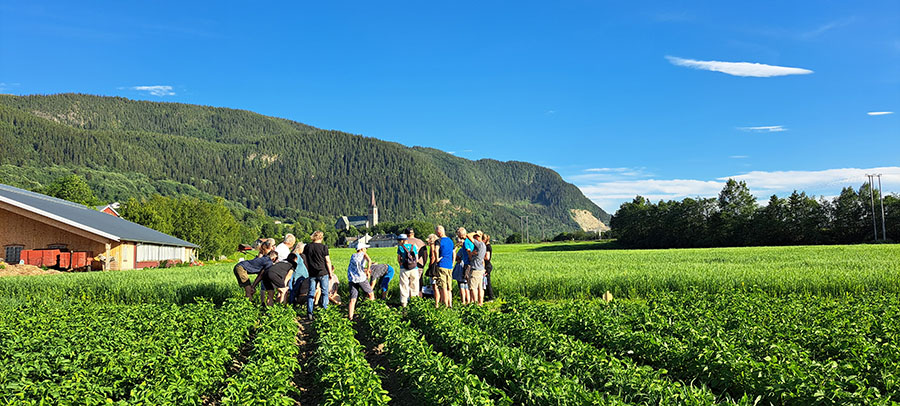
Field demonstrations, farm visits, hands-on workshops, mentoring and peer-to-peer exchange were repeatedly identified as valuable learning formats. Farmers want opportunities to observe practices under real conditions, discuss them with experienced practitioners and explore how they could be adapted to their own farms.
This is one of the reasons why Demonstration Farms and Living Labs will play an important role in the AgriFuture learning approach.
Sustainability must also make economic sense
Environmental benefits alone are not always enough to drive change.
Farmers also need to understand how regenerative practices affect costs, productivity, risk and long-term business resilience. The Skills Gap Analysis therefore highlighted the need to connect ecological knowledge with farm economics, financial planning and real examples of successful implementation.
Sustainability and economic viability cannot be treated as separate challenges.
Digital skills matter — but technology must remain useful
Participants showed growing interest in precision agriculture, artificial intelligence, automation, drones, smart irrigation and digital decision-support tools.
However, barriers such as cost, limited digital skills, technical complexity and uncertainty about return on investment can still slow adoption.
A clear message emerged: technology should support agricultural knowledge and decision-making, not replace them.
Flexible learning for the realities of farming
Time was identified as another major barrier to training.
Short videos, podcasts, micro-learning resources and modular online content were positively received, particularly when they could be accessed by smartphone and combined with practical activities.
Rather than choosing between online and face-to-face learning, participants generally favoured flexible blended approaches that can fit around agricultural work.
More than technical knowledge
Finally, the analysis showed that the farmer of the future will need a broad combination of competences.
Alongside agricultural and ecological knowledge, interviewees highlighted entrepreneurship, business management, communication, leadership, collaboration, adaptability and lifelong learning.
Future agricultural professionals will increasingly need to combine ecological awareness, digital competence, economic resilience and openness to innovation.
From listening to action
These findings will directly shape the next stages of AgriFuture. They will guide the learning outcomes and content of the training modules, support the development of flexible digital resources and place practical experiences at Demonstration Farms and Living Labs at the centre of the learning process.
The message from the Skills Gap Analysis is clear: farmers do not simply need more information. They need opportunities to see, test and adapt new knowledge to the realities of their own farms.
AgriFuture will use this evidence to build training that connects knowledge with practice, digital flexibility with field experience, and sustainability with the economic realities of farming.